You might notice innumerable booths while walking through a busy trade show floor. Most of them look similar and feel forgettable. They fail to make visitors stop and interact. But some exhibitors find real success at these events. They walk away with qualified leads and get measurable returns on their investment.
The reason behind that is not spending more money than their competitors. Their success comes from making smarter decisions about design and working with experienced exhibit companies in New York. Keep reading to find out how you can succeed in New York’s competitive exhibitions.
A Clear and Immediately Legible Brand Message
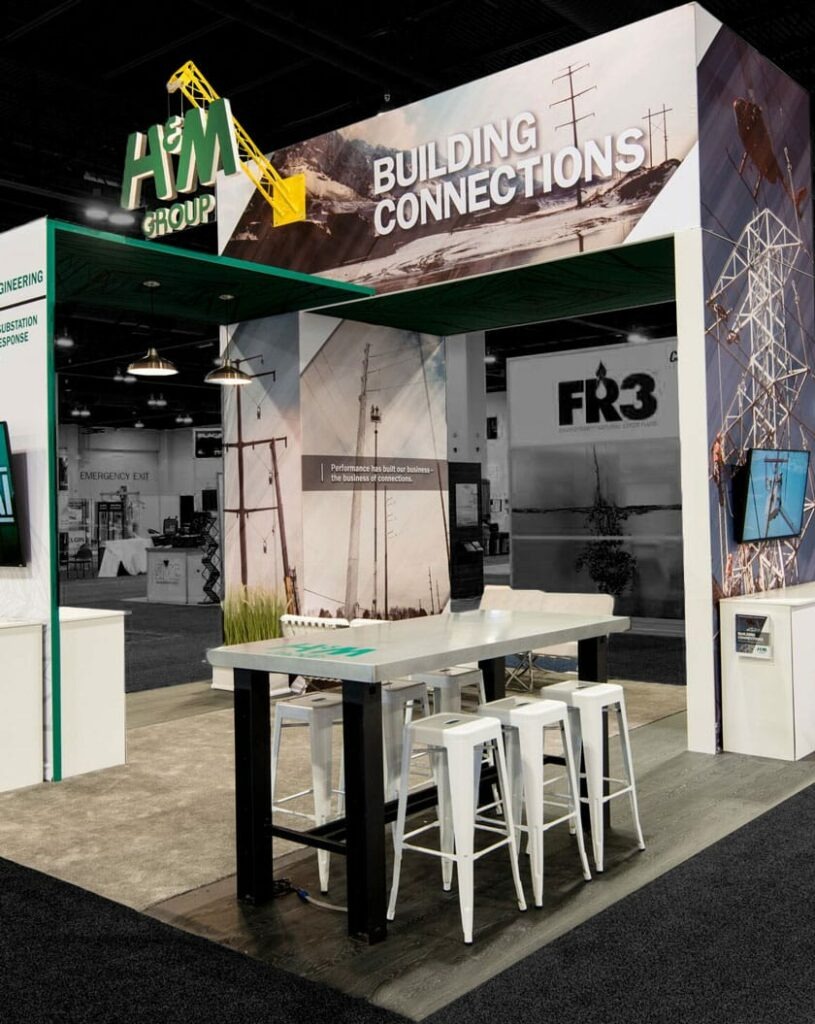
The most successful trade show exhibits communicate their brand message to visitors within three seconds of visual contact. This clarity is not accidental. It is the result of strategic decisions about hierarchy, messaging priority, and understanding of everything that a visitor notices at first glance. Here are the brand message elements that consistently drive stronger visitor engagement:
- Single dominant headline readable from ten meters across the exhibition floor
- Supporting messaging revealed progressively as visitors move closer to the booth
- Visual identity applied consistently across every surface and graphic panel
- Brand colors used with purpose rather than decoratively without strategic intention
- Taglines communicating genuine value rather than generic industry language
- Logo placement reinforcing recognition without overwhelming the primary message
Strategic Booth Design That Invites Rather Than Intimidates
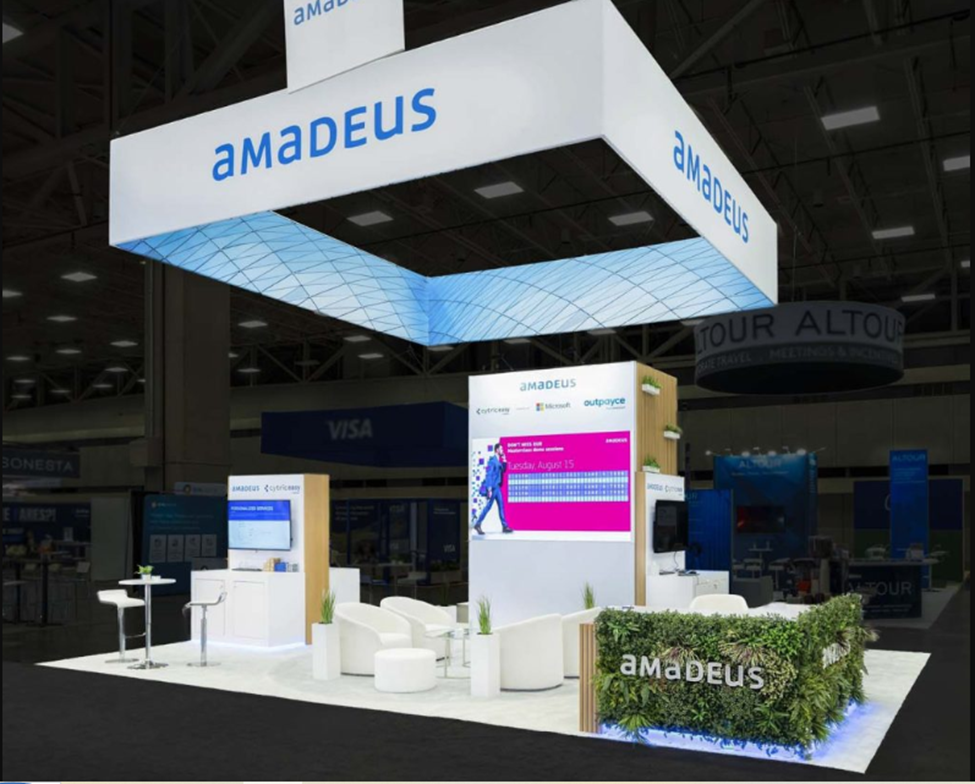
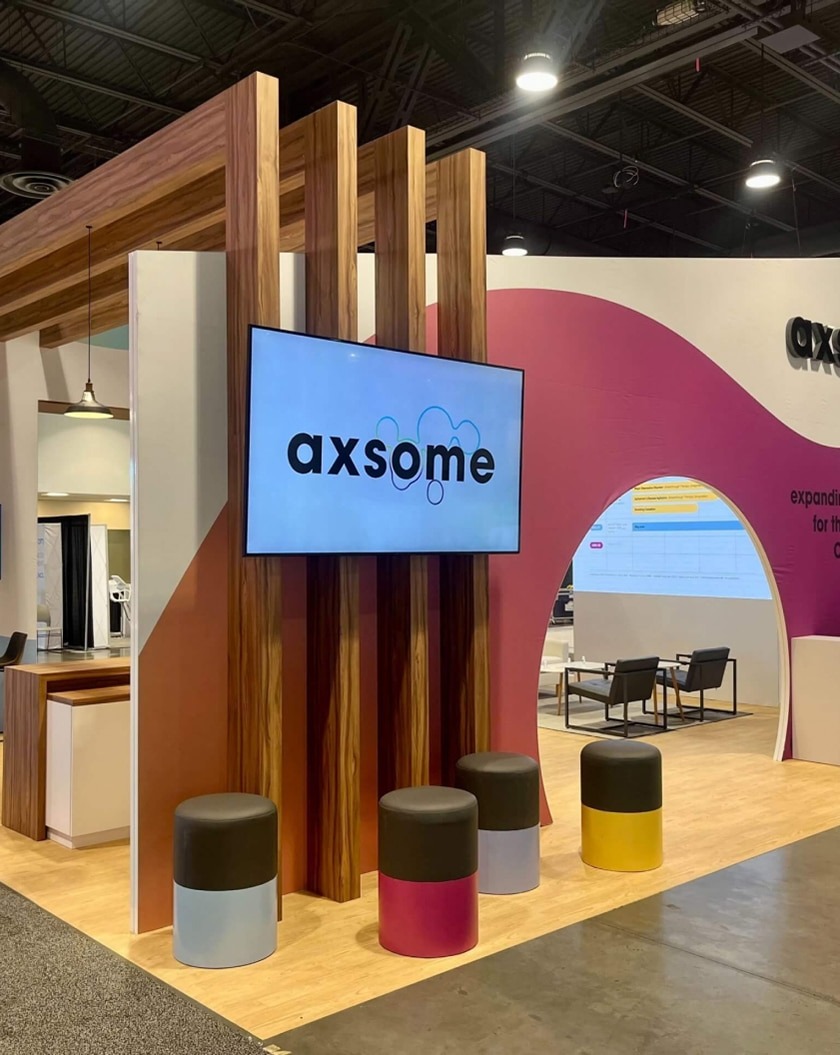
Successful New York trade show exhibit rentals are designed on the basis of real visitor behavior on the show floor. Open layouts, natural movement, and clear interaction zones motivate people passing by to enter and interact with the booth staff and the brand. Here are the key design principles for achieving higher engagement rates:
- Open entry points
- Defined demonstration zones
- Private meeting areas
- Comfortable environments
- Height variation
- Lighting design
Trained and Proactive Booth Staff
The most beautifully designed booth in the entire exhibition hall can be rendered completely ineffective by staff who appear disengaged, hover aggressively, or fail to initiate a warm and natural conversation. Staff training specifically for the trade show environment produces measurably stronger engagement quality than assuming sales or customer service skills automatically transfer to this unique setting.
Meaningful Pre-Show Marketing and Visitor Invitation
A lot of successful exhibitors invest in pre-show marketing that builds awareness and creates anticipation. Here are the pre-show marketing activities that increase qualified booth traffic meaningfully:
- Targeted email campaigns to existing contacts and registered show attendees before the event
- Social media content building anticipation around the booth location and planned activations
- Personalized invitations to key prospects offering specific reasons to visit the exhibition space
- Teaser content revealing new products or experiences available exclusively at the show
- Meeting scheduling tools allowing pre-booked appointments with priority prospects in advance
- Paid digital advertising targeting confirmed show attendees across relevant online platforms
Smart Use of Technology to Enhance Engagement
Technology can play a big role in capturing attention and keeping visitors engaged for longer. A large majority of visitors acknowledge that interactive displays help achieve higher engagement at any exhibition. When used correctly, they attract more visitors and help send a message in a better way. That is why numerous exhibition companies in New York apply this technique to produce meaningful experiences.
Also Read this Blog: How Can Businesses Plan an Effective Trade Show Exhibit in New York
Post-Show Follow-Up That Converts Leads into Results
Generating leads at the event is only half the job. Those leads need to be nurtured properly after the exhibition ends. Following up is extremely important. It helps in transforming leads into real opportunities. Below are some of the best ways to follow up with prospects for the best results:
- Emails within 24 to 48 hours
- Personalized communication based on visitor interaction
- Clear next steps such as calls, demos, or proposals
- Lead segmentation based on interest and intent
- CRM integration for organized tracking and nurturing
- Performance analysis to improve future exhibition strategies
Conclusion
Being successful at a trade show in today’s competitive environment is never the result of one great decision alone. Success is achieved by making the right decisions across multiple areas. Companies should think about everything from the design to post-event follow-ups. Partnering with experienced New York trade show exhibit rentals and design professionals like Foster New York can be extremely valuable. It will help you get the competitive advantage needed to transform your presence into a memorable experience. For a step-by-step planning approach, see our guide on planning an effective trade show exhibit in New York.
Frequently Asked Questions
What is the single biggest factor in trade show exhibit success?
A clear, immediately legible brand message is the biggest factor. Visitors decide whether to stop within about three seconds, so a single dominant headline and consistent visual identity matter more than any individual feature or technology.
How much does interactive technology improve booth engagement?
A large majority of trade show visitors report that interactive displays help increase engagement, which is why many exhibit companies in New York now build touchscreens, digital presentations, and lead-capture tools into their designs.
How quickly should exhibitors follow up with leads after a trade show?
The strongest follow-up window is within 24 to 48 hours of the show ending. Personalized outreach based on what each visitor actually discussed at the booth converts noticeably better than generic bulk emails sent weeks later.
Do I need booth staff training even if my team has sales experience?
Yes. General sales or customer service skills don’t automatically transfer to the trade show floor. Dedicated training on opening lines, role assignment, and pacing produces measurably better engagement than assuming experienced staff will adapt on their own.